
Health goals
Find useful next steps for life after 50.
Choose what you want to work on and explore Fit after 50’s current tools, guides, and Minute Tips. Your choices describe interests, not medical conditions.
Explore Fit after 50
All current resources
ToolWeekly Activity CheckCompare one week of your activity with what U.S. and WHO guidelines advise. Nothing you enter is saved.ToolProtein CalculatorSee general protein guidance matched to your age group, exercise, and health situation.GuideGrip StrengthResearchers use grip strength as one signal, among several, when studying healthy aging in large groups of older adults. What the research actually found, what it does not mean, and how to keep your hands and forearms strong.GuideHeart Rate Zones After 50Many fitness watches show 'zones' during a workout. What the standard formula actually is, why it is a population estimate and not a personal measurement, and when the talk test is the better guide.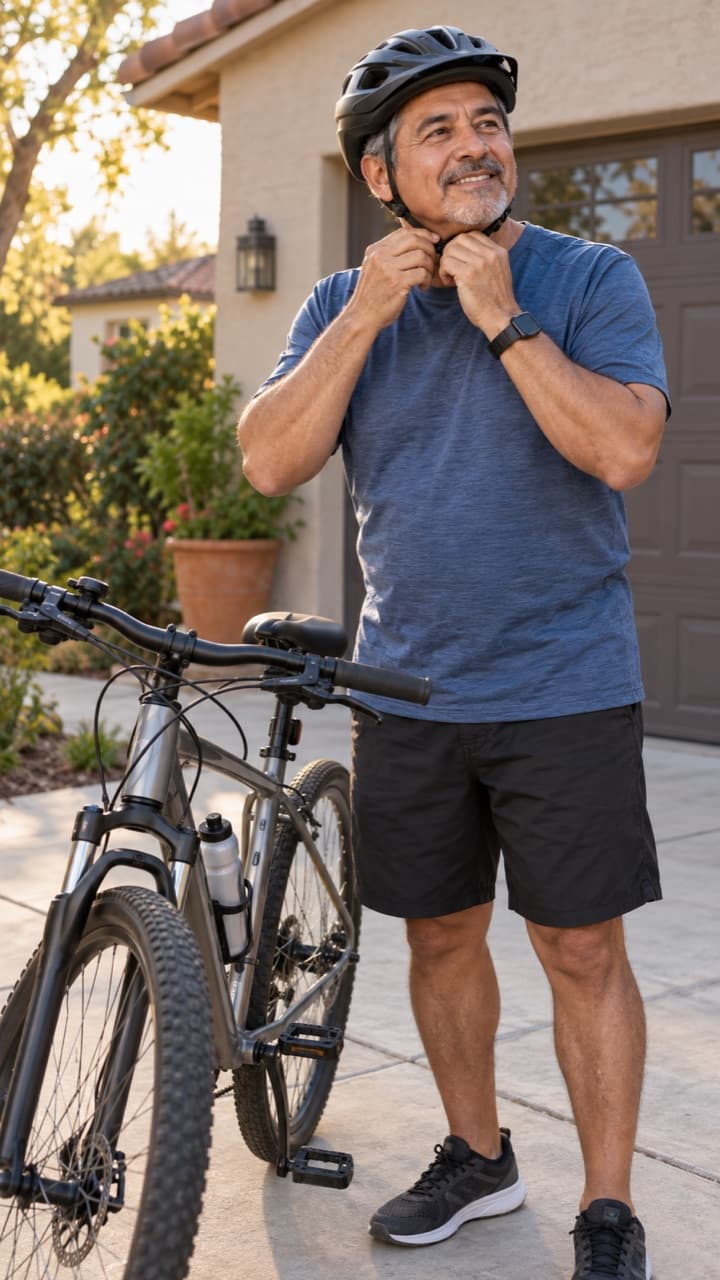 Overcoming the Fear of StartingGuideFeeling nervous, out of place, or unsure where to begin is one of the most common reasons adults over 50 put off exercise. A practical way through it, and what the guidelines say about who activity is safe for.
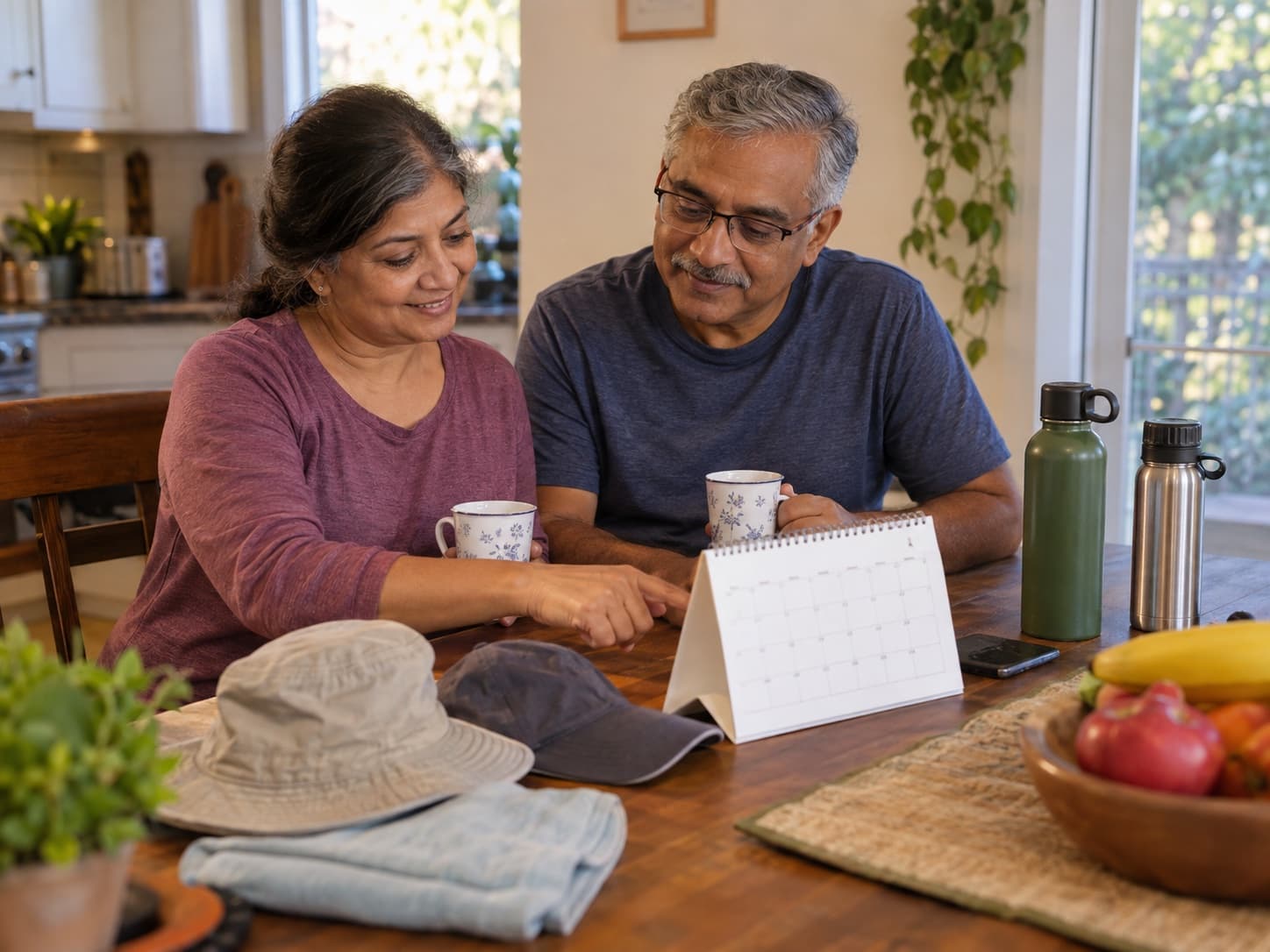 Staying Motivated for the Long RunGuideMotivation fades for everyone. A practical way to keep going once the initial push wears off, without relying on willpower alone.
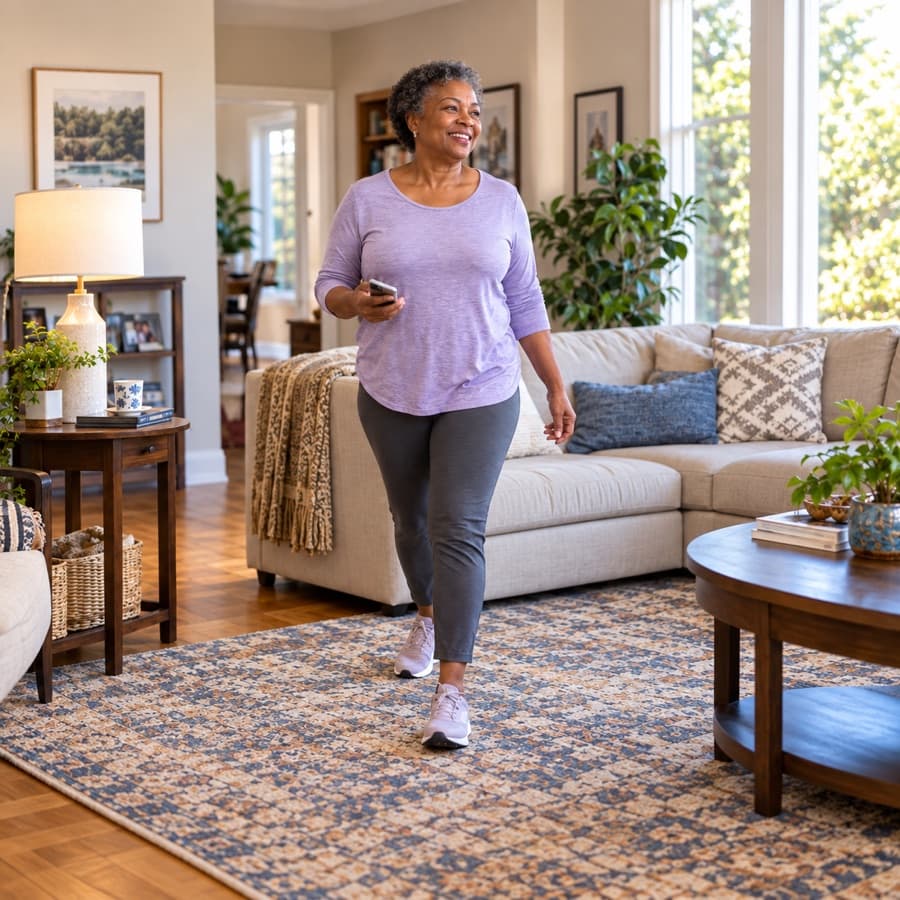 Everyday Capability After 50GuideWhat CDC says you can do to stay independent, three checks you can do at home with their limits, and small steps for leg strength, balance, and home safety.
 Exercise and Falls After 50GuideWhat the U.S. guidelines say about activity and falls in older adults, what multicomponent activity means, what the evidence does not say, and where to start.GuideFlexibility and Mobility After 50What the U.S. guidelines say about stretching, why they are careful about its benefits, how to warm up, stretch to mild tension and stop at pain, and when to ask a clinician first.GuideGetting Back After a BreakWhat the U.S. guidelines say about resuming activity after an illness, and a practical, low-pressure way to come back after any break, without guilt or catching up.GuideHow Many Steps a Day After 50? What the Evidence ShowsIn a pooled analysis of 15 studies, more steps a day went with a lower risk of dying from any cause, with the gain levelling off around 6,000 to 8,000 steps for adults 60 and over. What that means, what it does not, and a gentle way to move up.
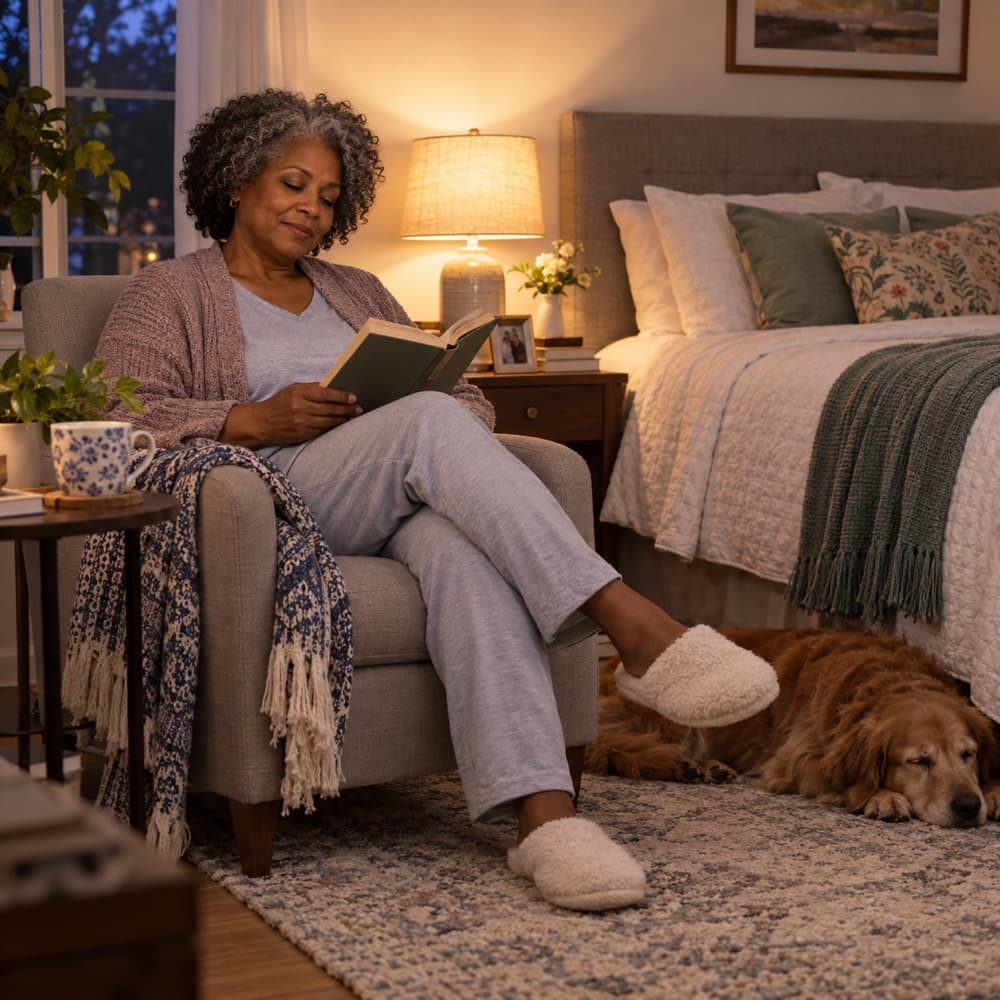 Sleep After 50GuideWhat the National Institute on Aging says about how much sleep older adults need, habits that may help, a two-week sleep diary, and when to talk with a doctor.
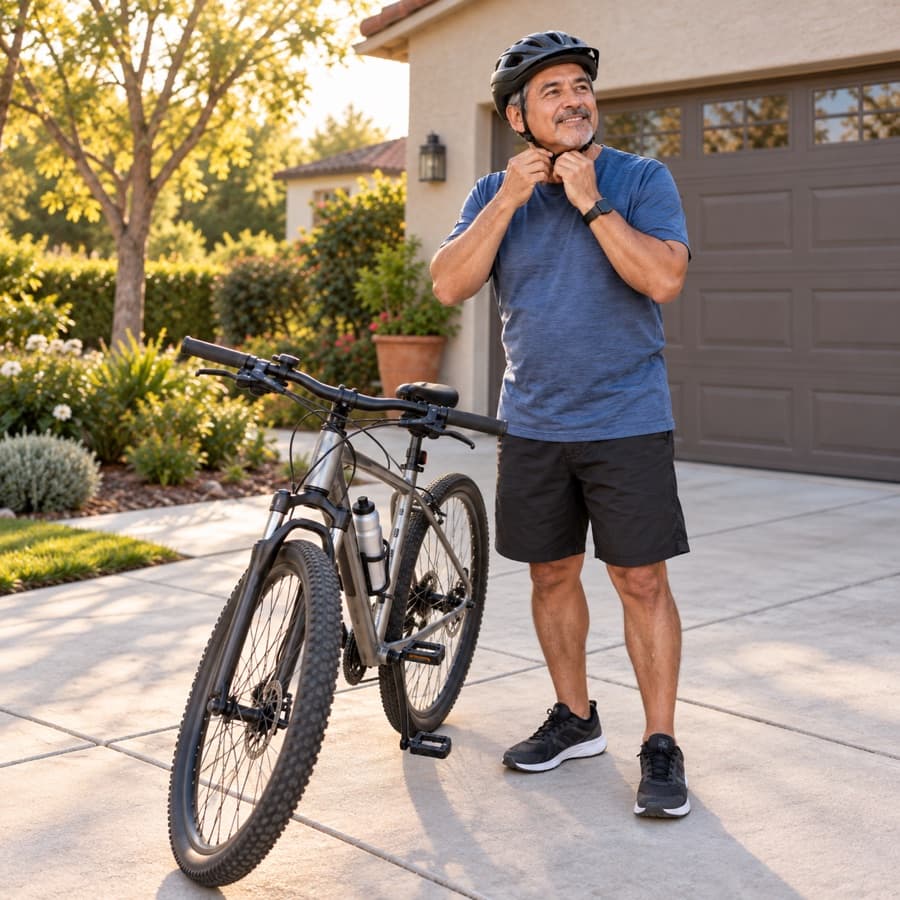 Starting to Exercise After 50GuideWhat the U.S. Physical Activity Guidelines say about doing activity safely, how to start low and go slow, how to judge your effort, and when to ask a clinician first.
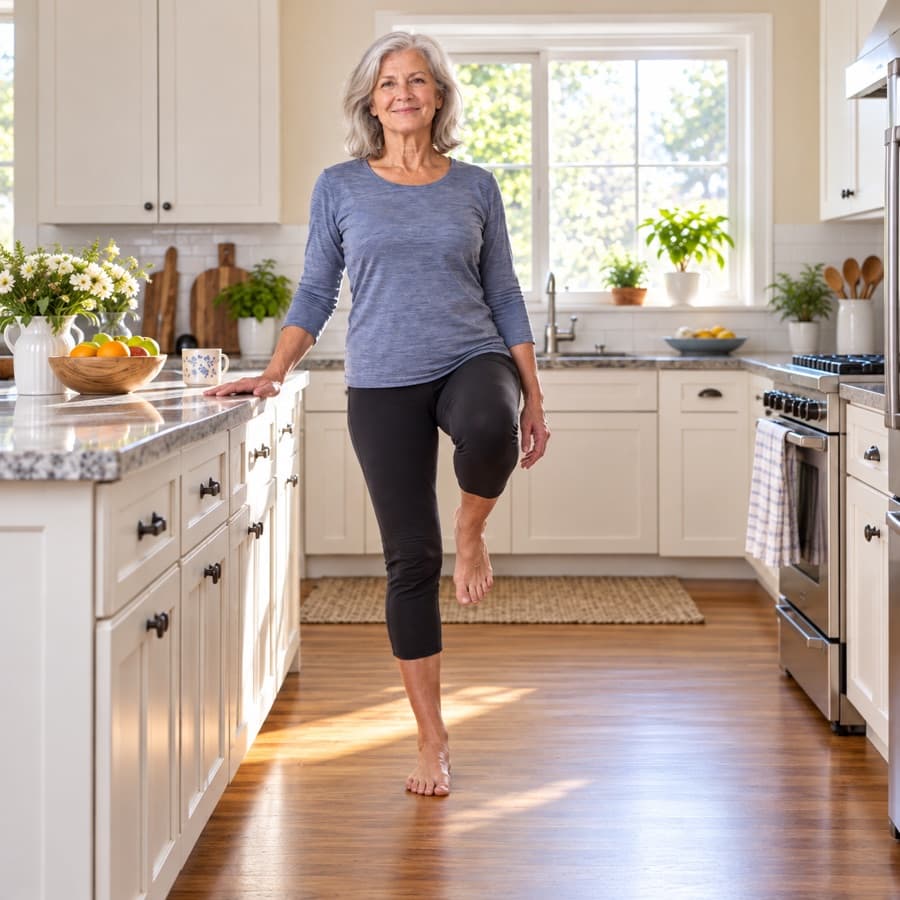 Balance Training After 50GuideWhy guidelines for older adults include balance training, how to practice near a sturdy counter, and when to ask a clinician first.
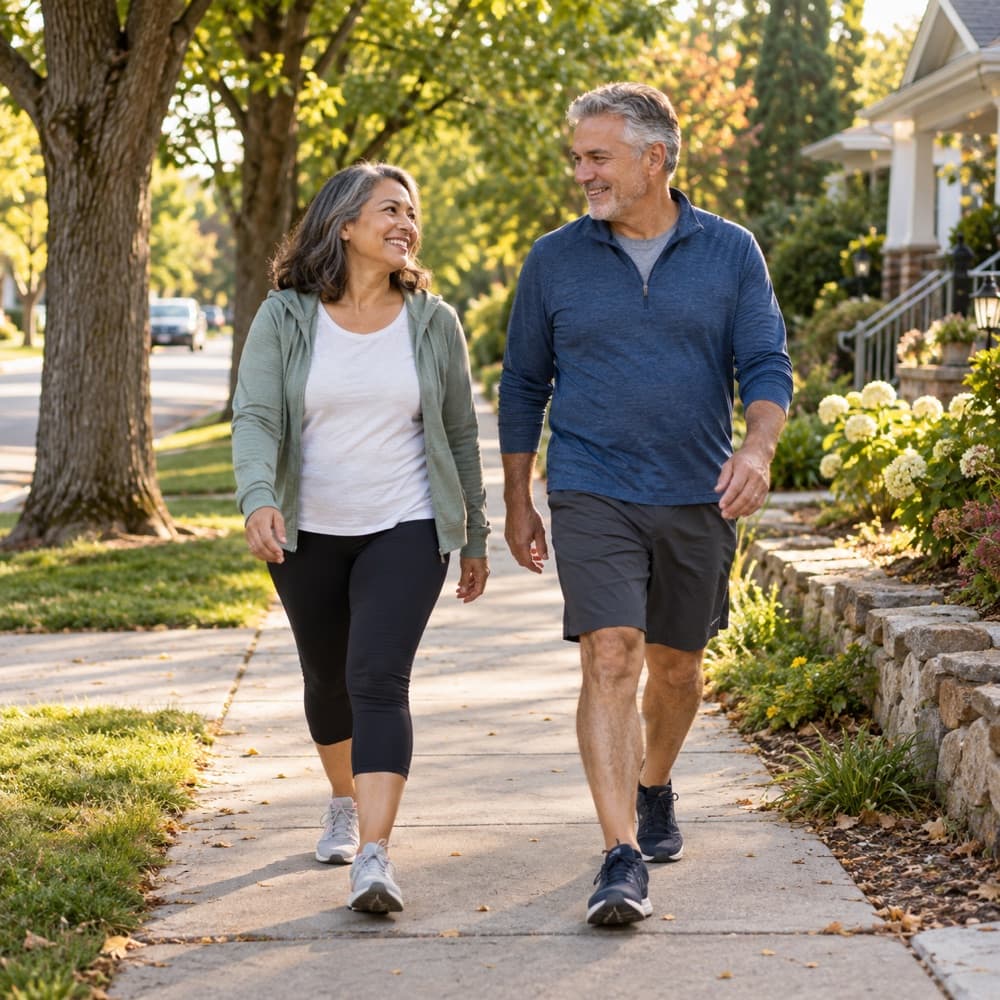 How Much Exercise Do Adults Over 50 Need?GuideWhat U.S. and WHO guidelines advise for aerobic activity, strength, and balance after 50, what counts, and how to start if you are not there yet.
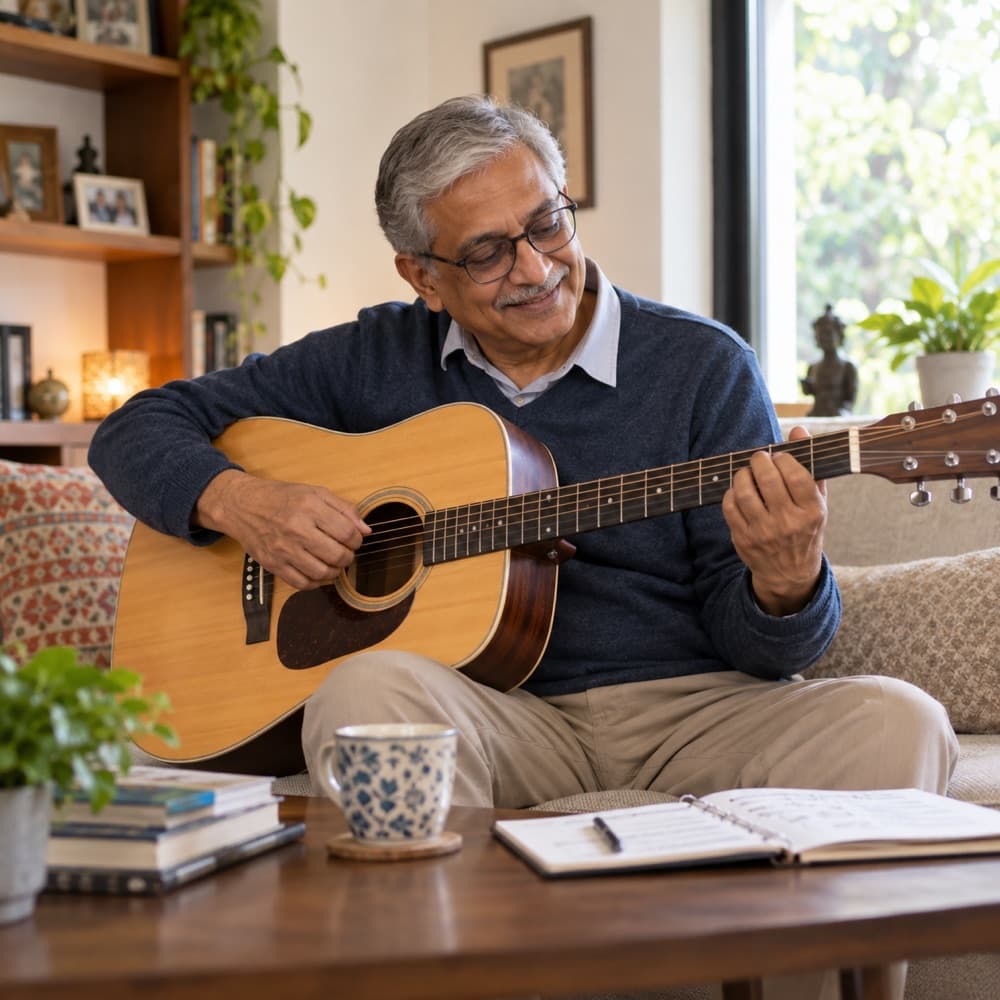 Keeping Your Mind Active After 50GuideWhat WHO says about physical activity and cognitive decline, how it rates the evidence for cognitive training, and enjoyable ways to keep learning.
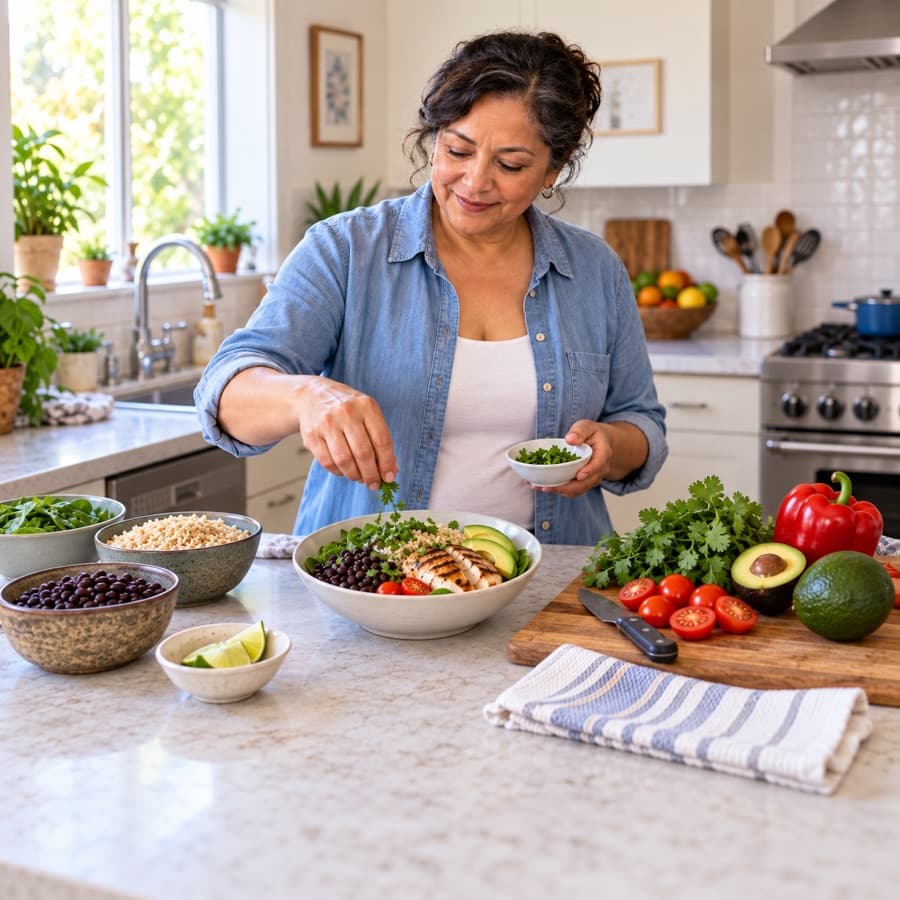 Protein After 50GuideWhat an international expert group recommends for older adults, who should get individual advice instead, and simple ways to include protein in a day.
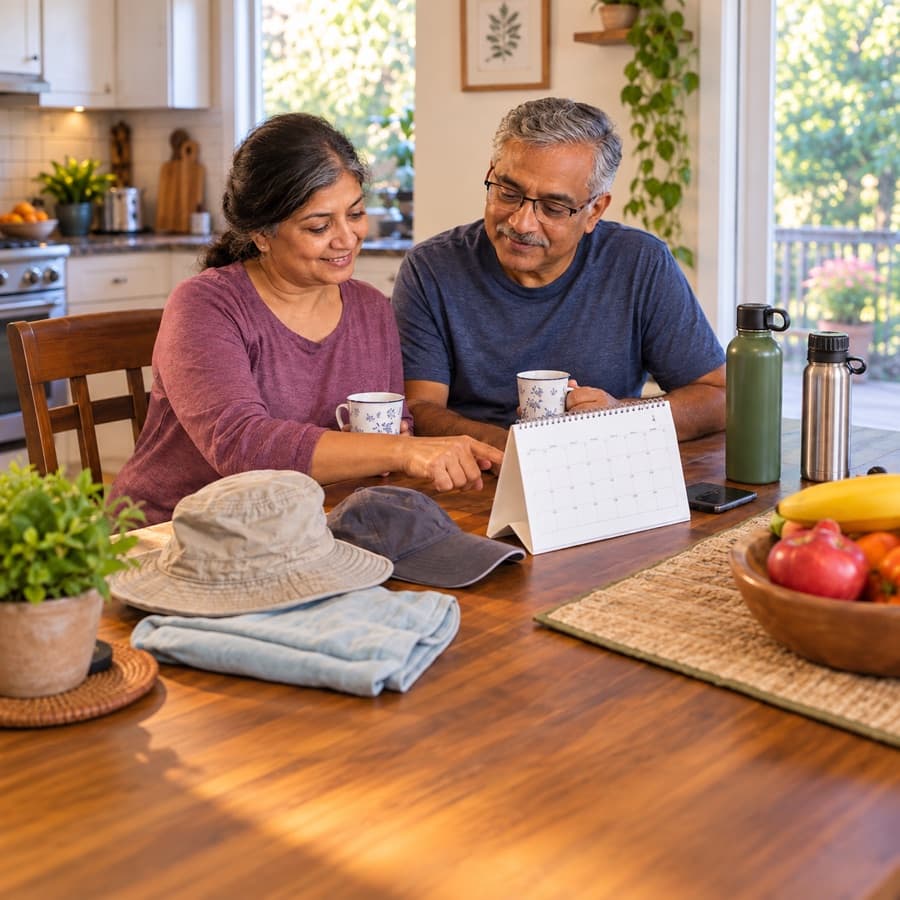 Staying Connected After 50GuideWhy the U.S. Surgeon General's advisory treats connection as part of health, and small, realistic ways to stay in touch with people who matter to you.
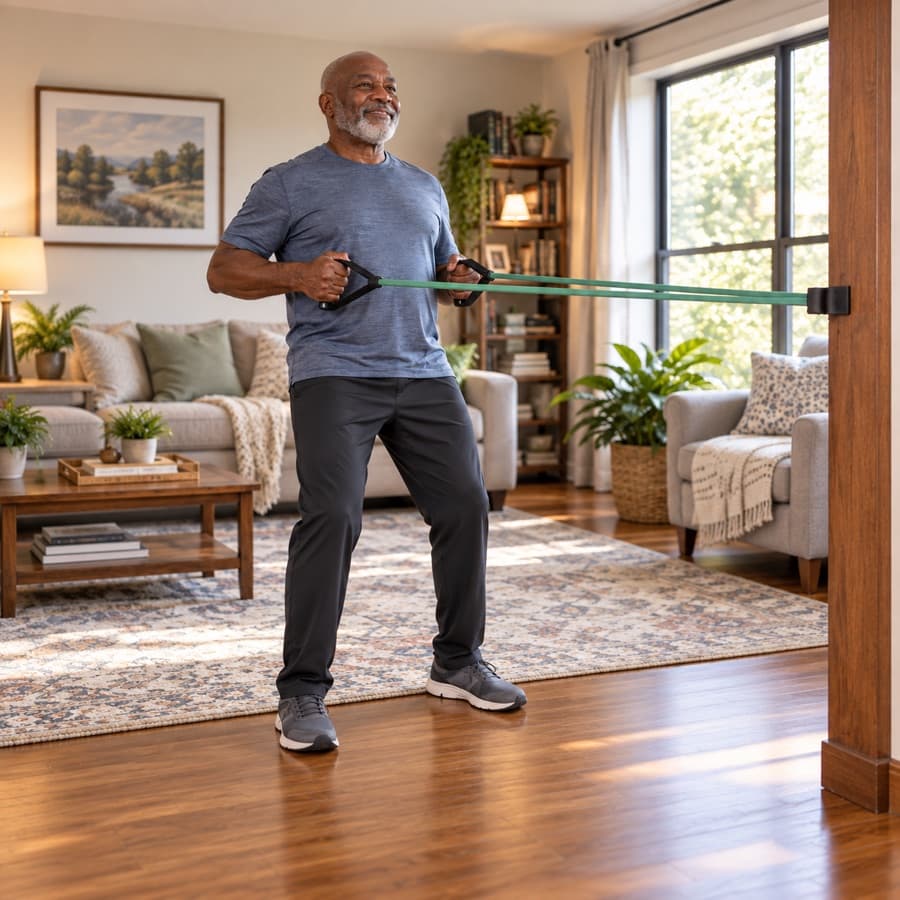 Strength Training After 50GuideWhat counts as strength training, how often guidelines advise it, and a comfortable way to begin at home with a sturdy chair.
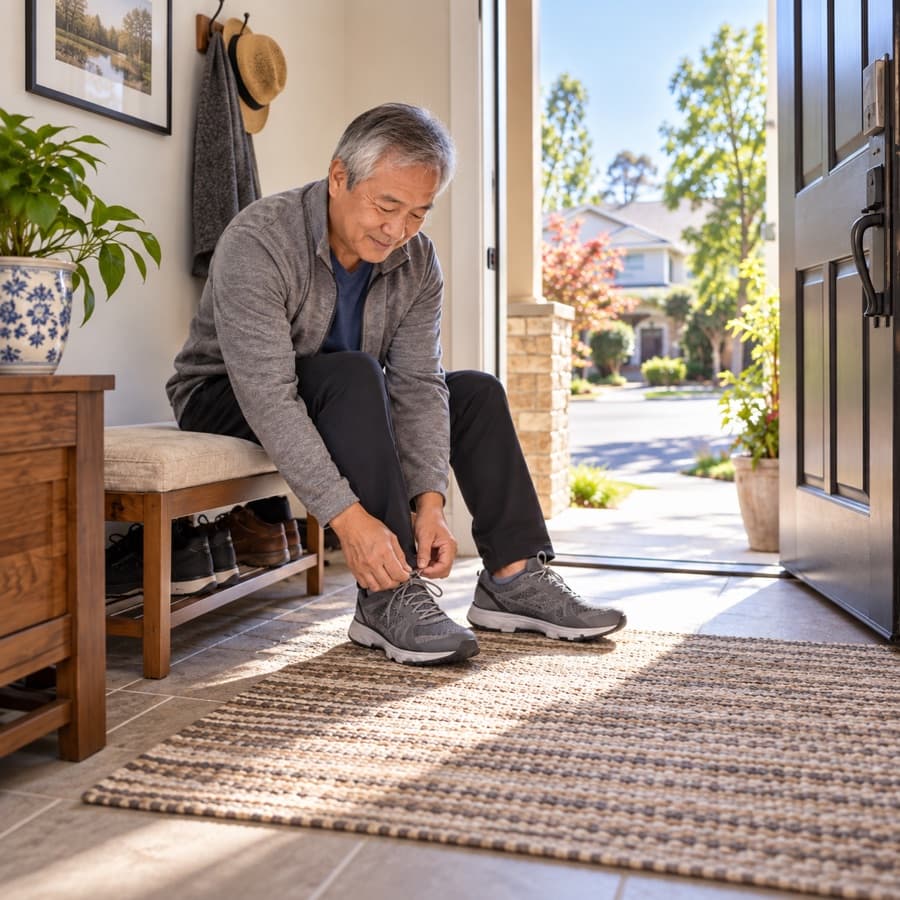 Walking After 50GuideWhy a walk counts, how to start with ten comfortable minutes, how to build up, and what to do on days you would rather stay in.Tool4-Stage Balance CheckA self-guided version of CDC's 4-Stage Balance Test.Tool30-Second Chair StandA self-guided version of CDC's 30-second chair stand.ToolEffort CheckUses the talk test and CDC's 0 to 10 effort scale to say whether an activity is light, moderate or vigorous for you, and what to do next.ToolFall-Risk ChecklistCDC's Stay Independent checklist: 12 statements, a score, and what CDC says the score means.ToolHome Safety ChecklistCDC's Check for Safety checklist: common hazards on stairs, floors, in the kitchen, bedrooms, and bathrooms, with a recommended fix for each, as a printable fix list.ToolTwo-week Sleep DiaryKeeps a simple diary of when you go to bed, how long it takes to fall asleep, and night wakings, then shows your own averages to bring to a clinician.ToolWalking Progress PlannerBuilds a week-by-week walking plan from a walk you can do now toward the weekly amount guidelines advise.
 Beginner's Guide to Getting Fit after 50ArticleA practical starting point for walking, strength, mobility, and sustainable habits.ToolGet My PlanChoose a realistic starting direction based on your goals and circumstances.Can you hold this?Minute TipPractice balance near a sturdy support with a safe progression.How much protein?Minute TipIdentify the main protein source in your next meal.Plan tomorrow nowMinute TipDecide what you will do and prepare for it now.Minute TipFix one hazard at homeOne small fix is a real start.Gardening countsMinute TipEveryday outdoor activity can contribute useful movement.Helmet first. Then ride.Minute TipMake one simple safety check before a neighborhood ride.Minute TipTen minutes of curiosityLearning is worth doing for its own sake.Move before you sit againMinute TipUse a natural transition in your day as a prompt to move.Minute TipOne bedtime habit to try tonightPick one, not all of them.Minute TipOne protein at one mealStart with a single meal, not a whole diet.Make walking easierMinute TipMake the next useful action easier to begin.Rows without a gymMinute TipUse a resistance band for practical pulling strength at home.Minute TipOne message to someoneA short check-in counts as connection.Minute TipHow much sleep do you need?The answer does not shrink as you age.Minute TipThe strength you already useStanding up from a chair is everyday strength.Minute TipTen minutes countsShort walks add up to your week.Minute TipWhat does 150 minutes mean?The weekly guideline, in plain language.Minute TipWhat counts as strength training?It does not have to be a gym.
Overcoming the Fear of StartingGuideFeeling nervous, out of place, or unsure where to begin is one of the most common reasons adults over 50 put off exercise. A practical way through it, and what the guidelines say about who activity is safe for.Staying Motivated for the Long RunGuideMotivation fades for everyone. A practical way to keep going once the initial push wears off, without relying on willpower alone.Everyday Capability After 50GuideWhat CDC says you can do to stay independent, three checks you can do at home with their limits, and small steps for leg strength, balance, and home safety.Exercise and Falls After 50GuideWhat the U.S. guidelines say about activity and falls in older adults, what multicomponent activity means, what the evidence does not say, and where to start.GuideFlexibility and Mobility After 50What the U.S. guidelines say about stretching, why they are careful about its benefits, how to warm up, stretch to mild tension and stop at pain, and when to ask a clinician first.GuideGetting Back After a BreakWhat the U.S. guidelines say about resuming activity after an illness, and a practical, low-pressure way to come back after any break, without guilt or catching up.GuideHow Many Steps a Day After 50? What the Evidence ShowsIn a pooled analysis of 15 studies, more steps a day went with a lower risk of dying from any cause, with the gain levelling off around 6,000 to 8,000 steps for adults 60 and over. What that means, what it does not, and a gentle way to move up.Sleep After 50GuideWhat the National Institute on Aging says about how much sleep older adults need, habits that may help, a two-week sleep diary, and when to talk with a doctor.Starting to Exercise After 50GuideWhat the U.S. Physical Activity Guidelines say about doing activity safely, how to start low and go slow, how to judge your effort, and when to ask a clinician first.Balance Training After 50GuideWhy guidelines for older adults include balance training, how to practice near a sturdy counter, and when to ask a clinician first.How Much Exercise Do Adults Over 50 Need?GuideWhat U.S. and WHO guidelines advise for aerobic activity, strength, and balance after 50, what counts, and how to start if you are not there yet.Keeping Your Mind Active After 50GuideWhat WHO says about physical activity and cognitive decline, how it rates the evidence for cognitive training, and enjoyable ways to keep learning.Protein After 50GuideWhat an international expert group recommends for older adults, who should get individual advice instead, and simple ways to include protein in a day.Staying Connected After 50GuideWhy the U.S. Surgeon General's advisory treats connection as part of health, and small, realistic ways to stay in touch with people who matter to you.Strength Training After 50GuideWhat counts as strength training, how often guidelines advise it, and a comfortable way to begin at home with a sturdy chair.Walking After 50GuideWhy a walk counts, how to start with ten comfortable minutes, how to build up, and what to do on days you would rather stay in.Tool4-Stage Balance CheckA self-guided version of CDC's 4-Stage Balance Test.Tool30-Second Chair StandA self-guided version of CDC's 30-second chair stand.ToolEffort CheckUses the talk test and CDC's 0 to 10 effort scale to say whether an activity is light, moderate or vigorous for you, and what to do next.ToolFall-Risk ChecklistCDC's Stay Independent checklist: 12 statements, a score, and what CDC says the score means.ToolHome Safety ChecklistCDC's Check for Safety checklist: common hazards on stairs, floors, in the kitchen, bedrooms, and bathrooms, with a recommended fix for each, as a printable fix list.ToolTwo-week Sleep DiaryKeeps a simple diary of when you go to bed, how long it takes to fall asleep, and night wakings, then shows your own averages to bring to a clinician.ToolWalking Progress PlannerBuilds a week-by-week walking plan from a walk you can do now toward the weekly amount guidelines advise.Beginner's Guide to Getting Fit after 50ArticleA practical starting point for walking, strength, mobility, and sustainable habits.ToolGet My PlanChoose a realistic starting direction based on your goals and circumstances.Can you hold this?Minute TipPractice balance near a sturdy support with a safe progression.How much protein?Minute TipIdentify the main protein source in your next meal.Plan tomorrow nowMinute TipDecide what you will do and prepare for it now.Minute TipFix one hazard at homeOne small fix is a real start.Gardening countsMinute TipEveryday outdoor activity can contribute useful movement.Helmet first. Then ride.Minute TipMake one simple safety check before a neighborhood ride.Minute TipTen minutes of curiosityLearning is worth doing for its own sake.Move before you sit againMinute TipUse a natural transition in your day as a prompt to move.Minute TipOne bedtime habit to try tonightPick one, not all of them.Minute TipOne protein at one mealStart with a single meal, not a whole diet.Make walking easierMinute TipMake the next useful action easier to begin.Rows without a gymMinute TipUse a resistance band for practical pulling strength at home.Minute TipOne message to someoneA short check-in counts as connection.Minute TipHow much sleep do you need?The answer does not shrink as you age.Minute TipThe strength you already useStanding up from a chair is everyday strength.Minute TipTen minutes countsShort walks add up to your week.Minute TipWhat does 150 minutes mean?The weekly guideline, in plain language.Minute TipWhat counts as strength training?It does not have to be a gym.